
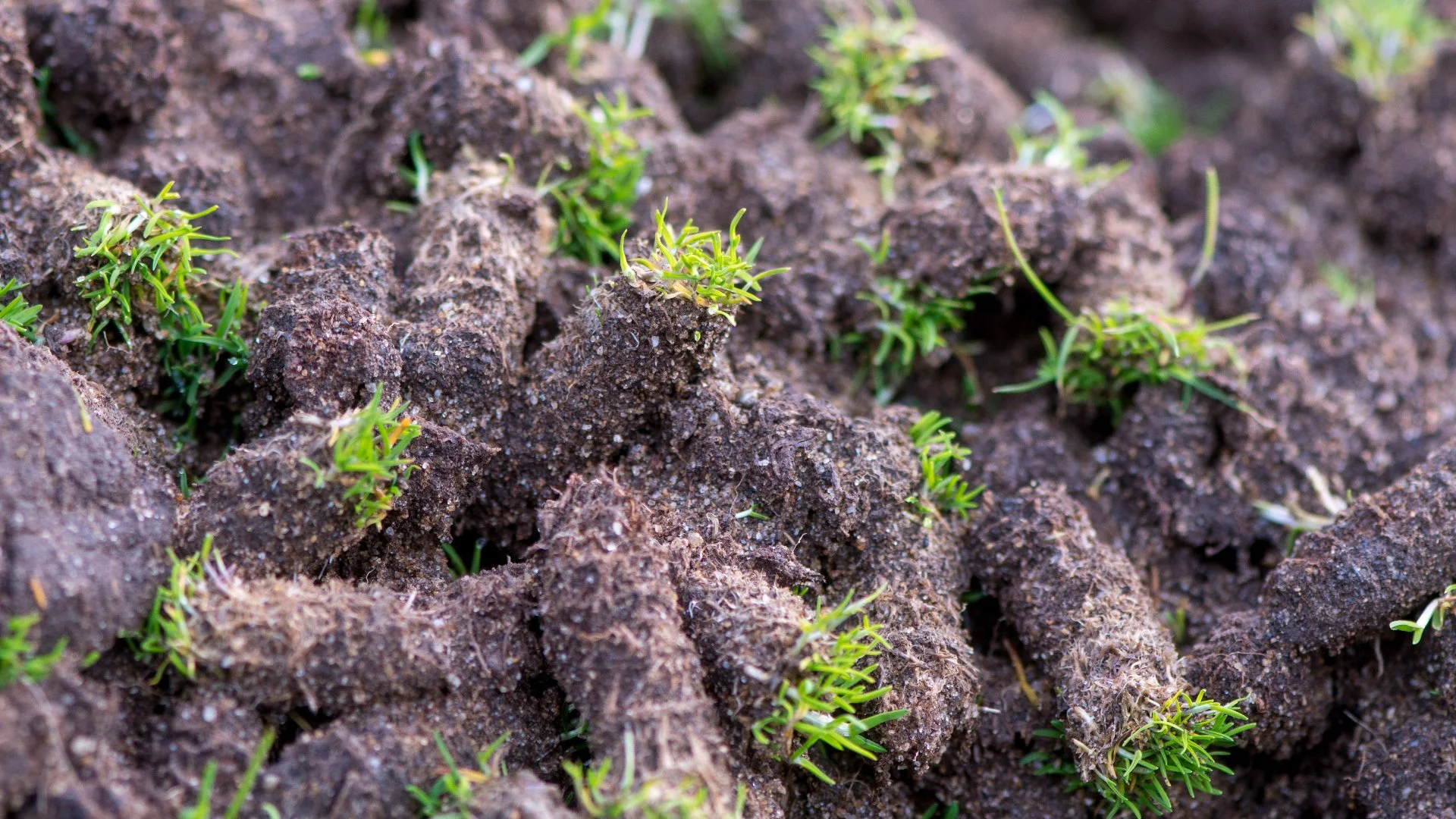
Soil compaction occurs when soil particles are tightly packed, reducing pore space and hindering air, water, and nutrient movement. This can result from heavy machinery, foot traffic, working wet soil, clay soil composition, and lack of organic matter. Compacted soil negatively impacts lawns in Florida by restricting root growth, reducing water absorption, and limiting air exchange, which can lead to weak grass, pooling water, and increased vulnerability to diseases and pests. To address compaction, schedule aeration services during the growing season. Aeration involves perforating the soil to improve its structure, allowing better access to essential resources, and promoting healthier lawn growth.
What is soil compaction, and what does it mean?
Soil compaction occurs when soil particles are pressed tightly together, reducing the pore space between them. This compression makes the soil less porous, hindering the essential movement of air, water, and nutrients that plants need to thrive. When soil is compacted, it becomes denser, decreasing its ability to absorb water and limiting root growth. Several factors contribute to soil compaction:
- Heavy Machinery & Foot Traffic: Frequent use of heavy equipment or consistent foot traffic can compact the soil over time. Lawn mowers, construction equipment, and even regular walking paths can lead to compacted areas.
- Working Wet Soil: Digging, walking, or tilling when the soil is wet can cause compaction. Wet soil is more susceptible to being compressed, so it's best to avoid working on it until it dries out.
- Soil Composition: Clay soils are more prone to compaction due to their fine particles and tendency to hold onto water. Sandy soils, on the other hand, are less likely to compact because of their larger particle size.
- Lack of Organic Matter: Organic matter helps create spaces in the soil, improving its structure and porosity. A lack of organic matter can lead to denser soil that is more susceptible to compaction.
Why is soil compaction bad for your lawn?
Compacted soil can have several negative effects on your lawn, primarily impacting root growth and water drainage. When soil is compacted, roots struggle to penetrate the dense ground, limiting their access to water and nutrients. This results in weak and shallow root systems that cannot support healthy grass growth. Additionally, compacted soil reduces the soil's ability to absorb water, leading to pooling on the surface. This excess water creates an environment where lawn diseases can thrive and encourages weed growth, further compromising the health of your lawn.
Another significant issue with soil compaction is the reduction in air exchange. Healthy soil requires air spaces to facilitate the movement of oxygen and carbon dioxide, essential for root and plant health. Compacted soil restricts this gas exchange, potentially suffocating roots and hindering plant growth. Moreover, lawns with compacted soil are more susceptible to stress from drought, heat, and heavy use, making them vulnerable to diseases and pests. This increased stress weakens the grass, diminishing its ability to recover and thrive.
What should you do to address soil compaction?
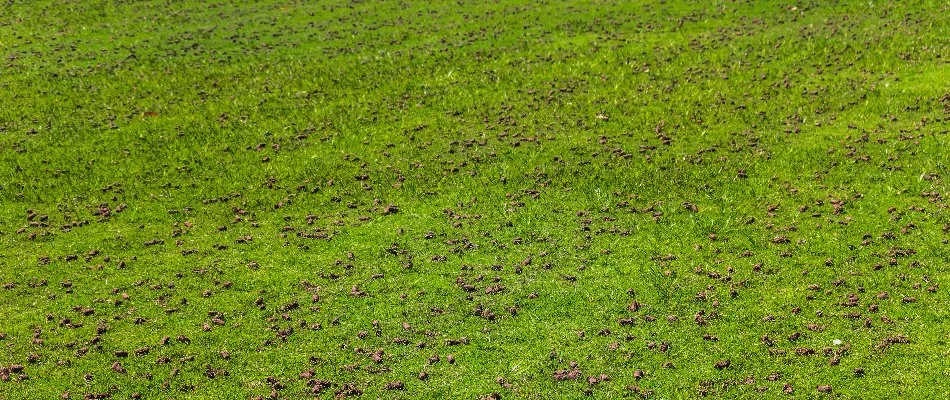
Addressing soil compaction is crucial for maintaining a healthy lawn, and one effective method is scheduling an aeration service. Aeration involves perforating the soil with small holes, which enhances the movement of air, water, and nutrients to the roots. The most common type, core aeration, uses a machine to remove small plugs of soil from the lawn. This process reduces compaction, allowing the soil to expand and loosen, thus improving its structure. Timing is essential; aeration should be done during the growing season, typically in spring or fall, when the grass can quickly recover and take full advantage of improved soil conditions.
Give us a call today to sign up for our core aeration service!
Soil compaction is a common issue that can have detrimental effects on your lawn's health, but aerating your lawn can address it. Here at Leafy Landscapes, we offer a core aeration service in the spring and fall to ensure the soil is loose enough to facilitate optimal nutrient absorption. Our team will do a double pass on your lawn during the aeration process to pull twice as many soil cores and effectively break up tightly packed soil. This service is offered to homeowners in New Smyrna Beach, Port Orange, Ponce Inlet, FL, and nearby areas. Call us today at (386) 492-8862 to schedule!
