
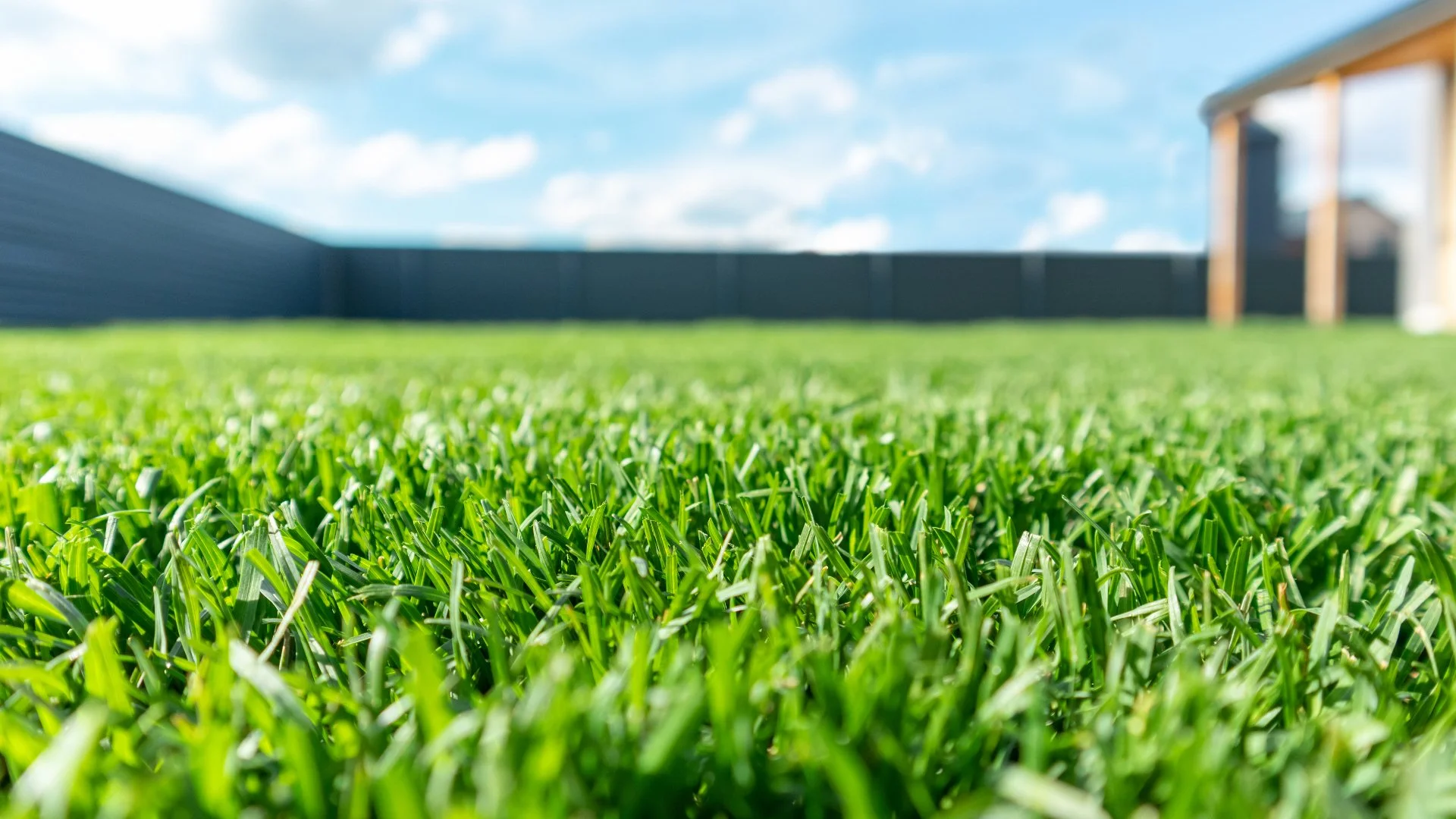
Soil compaction can cause your lawn in Florida to struggle to stay green, as it creates a dense layer that restricts root growth, limiting access to nutrients and air. This results in a weak lawn susceptible to pests and disease, even with regular fertilization. Compaction also leads to poor drainage, causing water to pool and promoting fungal issues. Thinning or patchy areas often emerge due to hindered access to vital resources. To address these issues, schedule an aeration service. Aeration involves creating small holes in the lawn, allowing air, water, and nutrients to reach the roots, improving overall health and preventing water-related problems.
Your lawn may struggle to stay green due to soil compaction.
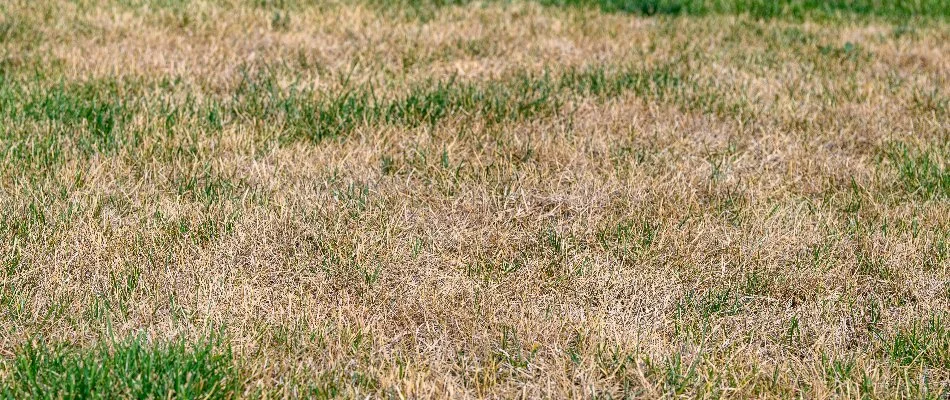
Compacted soil results in a dense, hard layer that restricts root growth. This not only stunts the grass above but also limits its ability to access nutrients and air. Even if you apply the best fertilizers, nutrients can't penetrate compacted soil effectively. As a result, your lawn may struggle to stay green. Grass thrives when its roots can grow freely and spread out, accessing all the necessary elements for photosynthesis and growth. Compaction essentially chokes the lawn's roots, preventing them from flourishing. Over time, this can lead to a weak lawn susceptible to pests and diseases, no matter how much fertilizer you apply.
Soil Compaction Can Cause Water to Pool on Your Lawn
When water can't penetrate the soil due to compaction, it begins to pool or run off the surface, leading to sections of your lawn being oversaturated while others remain dry. This uneven water distribution means certain grass areas may drown while others may go thirsty. Pooling water not only deprives your grass of needed moisture but can also lead to fungal issues, creating an unhealthy environment for your lawn. Additionally, runoff can erode topsoil and wash away nutrients your lawn desperately needs. Over time, this lack of proper drainage affects the soil structure, making compaction issues even worse.
Soil Compaction Can Result in Thinning or Patchy Areas on Your Lawn
Compacted soil hinders the flow of nutrients and resources to your turf's roots, resulting in bare or thinning patches. When grass struggles to obtain moisture and nutrients due to compacted soil, it weakens and deteriorates, making those areas more susceptible to environmental stress and weed invasion. These patches disrupt the uniformity of your lawn and serve as indicators of poor soil conditions beneath the surface. Addressing these patches means fixing the root cause, namely, improving soil structure.
What should you do about soil compaction?
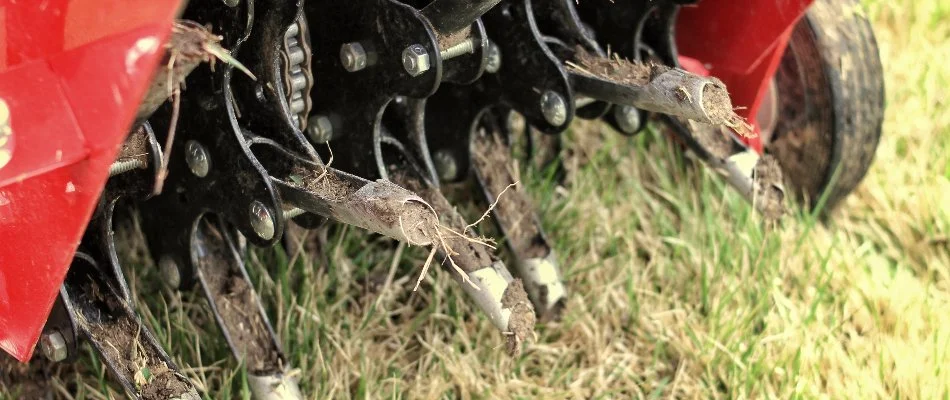
If you suspect that your lawn is suffering from soil compaction, the best thing you can do is schedule an aeration service. Aeration is the process of creating small holes in your lawn to allow air, water, and nutrients to penetrate the soil and reach the roots of your grass. This can help alleviate soil compaction and improve the overall health of your lawn.
During an aeration service, a technician will use a machine to perforate the soil, helping your lawn access everything it needs to grow and recover from stressors like drought or disease. Additionally, aeration improves the drainage of your lawn, reducing the risk of water pooling and erosion.
Give us a call today to sign up for our lawn aeration service!
Soil compaction can have a significant impact on the health of your lawn, and the best thing you can do is schedule an aeration service. That's where we come in! Here at Leafy Landscapes, we offer a core aeration service to address soil compaction and create a healthier environment for your grass. This service is offered in the spring, between March and May, and in the fall, between September and November.
Our professionals proudly serve homeowners in and around New Smyrna Beach, Port Orange, and Ponce Inlet, FL. Give us a call today at (386) 492-8862 to sign up for our lawn aeration service and give your grass the best fighting chance to thrive!

Comments (0)
Thanks for your comment!
Thanks for your feedback! Your comments have been successfully submitted! Please note, all comments require admin approval prior to display.
Error submitting comment!
There is a problem with your comment, please see below and try again.