
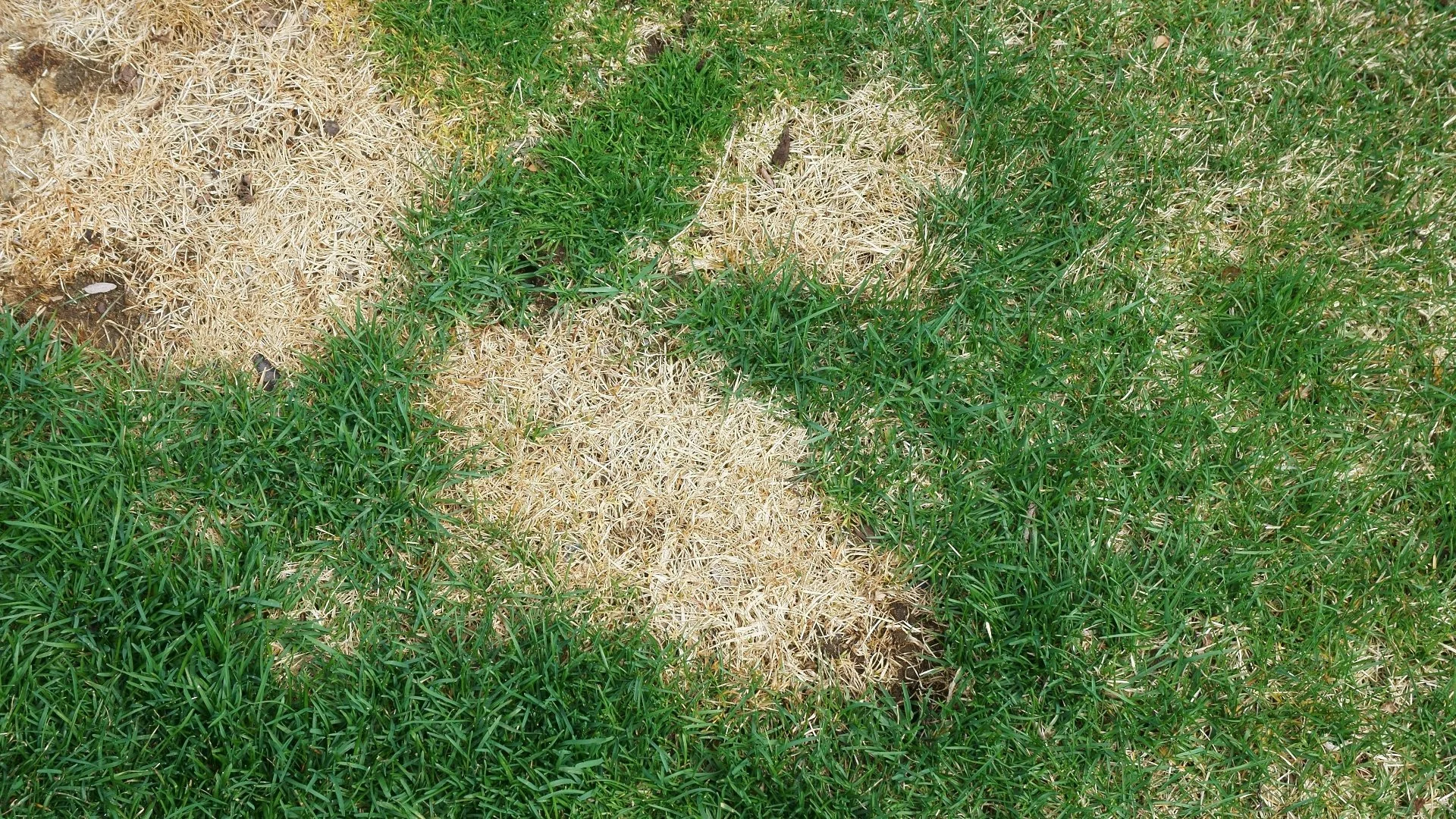
Lawn diseases like brown patch, dollar spot, and gray leaf spot can harm your lawn's health and appearance. Brown patch thrives in warm, humid conditions with excess moisture and nitrogen, while dollar spot emerges from nitrogen deficiency and prolonged wetness. Gray leaf spot commonly affects St. Augustine grass in humid climates and is worsened by over-fertilization. To prevent these diseases, adjust watering practices, improve drainage, manage fertilization, and reduce thatch. Regular monitoring and early intervention are also crucial. By understanding and addressing these conditions, you can maintain a healthy, lush lawn in Florida throughout the growing season.
Brown Patch Lawn Disease Thrives in Warm, Humid Weather
Brown patch is a prevalent lawn disease that affects all types of grasses. It is most common in the spring and fall, thriving in warm, humid weather with prolonged wetness on the leaves. This disease manifests as circular patches of brown, dead grass, often surrounded by a dark ring.
Several factors contribute to the development of brown patch. High nitrogen levels in the fall can encourage rapid growth, creating a dense canopy that traps moisture and fosters fungal growth. Over-irrigation, especially in the evening, keeps the grass blades wet for extended periods, providing ideal conditions for the fungus to thrive. Poor soil drainage exacerbates the problem by preventing excess water from escaping, while excessive thatch build-up creates a barrier that retains moisture. To manage brown patch, it’s essential to adjust watering practices, improve drainage, and manage thatch effectively.
Dollar Spot Lawn Disease Favors Warm, Moist Conditions
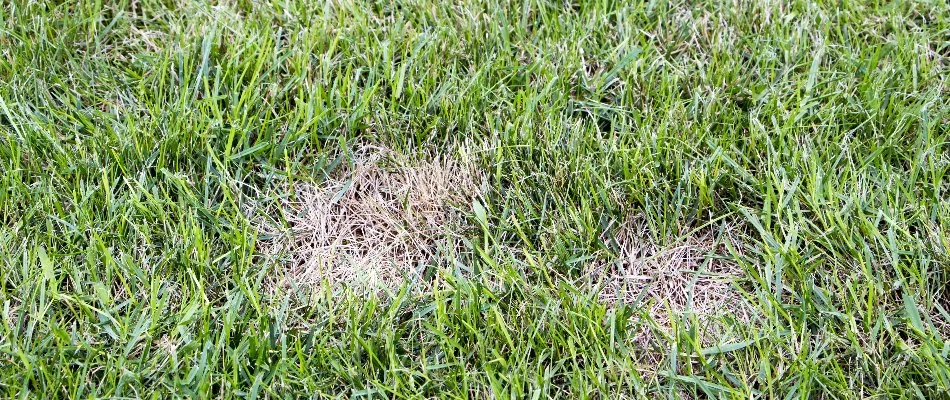
Dollar spot is another common lawn disease characterized by small, silver-dollar-sized patches of dead grass. It thrives in warm, humid conditions and can affect a variety of grass types, including bentgrass, Kentucky bluegrass, and Bermuda grass.
This disease often arises when there is a deficiency in nitrogen, leading to weakened grass that is more susceptible to infection. Dollar spot is also more likely to develop when grass remains wet for extended periods, particularly overnight. Poor air circulation and compacted soil can further contribute to its spread by creating a conducive environment for the fungus.
To prevent dollar spot, it is crucial to maintain balanced fertilization, ensuring your lawn receives adequate nitrogen. Regular aeration can improve soil compaction and enhance air circulation, reducing the likelihood of infection. Additionally, watering in the early morning allows grass to dry quickly, minimizing the time the blades remain wet.
Gray Leaf Lawn Disease Spot Occurs During Hot, Humid Conditions
Gray leaf spot is a fungal disease that primarily affects St. Augustine grass but can also impact other grass types like perennial ryegrass. It is most prevalent in warm, humid climates and is recognizable by the grayish, water-soaked lesions it causes on grass blades.
This disease thrives in conditions of high humidity and prolonged leaf wetness, similar to brown patch and dollar spot. Over-fertilization with nitrogen can exacerbate the problem by promoting lush growth that retains moisture. Poorly drained soils and excessive thatch can also contribute to the development and spread of gray leaf spot.
Managing gray leaf spot involves several strategies. Reducing nitrogen applications during peak disease periods can help control excessive growth. Improving drainage and managing thatch build-up are also important steps in reducing the disease's impact. Fungicides may be necessary in severe cases, but cultural practices should be your first line of defense.
Call Us Today to Sign Up for Our Lawn Disease Control Service
At Leafy Landscapes, we understand how devastating lawn diseases can be to your turf. Fortunately, we offer a lawn disease control service to combat these fungal infections and prevent them from causing further harm. Our team will thoroughly inspect your lawn to identify the disease and administer highly effective treatments to target it. Preventative treatments are offered to protect your grass from infections, while curative treatments are available to eliminate existing diseases.
We offer our lawn disease control service to residential properties in New Smyrna Beach, Port Orange, Ponce Inlet, and other nearby areas in Florida. Don't let lawn diseases get the best of your turf, and call us at (386) 492-8862 to sign up for this service today!
